FAMILY
like branches on a tree,
we all grow in different directions
yet our roots remain as one.
Author: Rise Up and Salute the Sun: The Writings of Suzy Kassem
Children of Hanson and Lavina Stevens
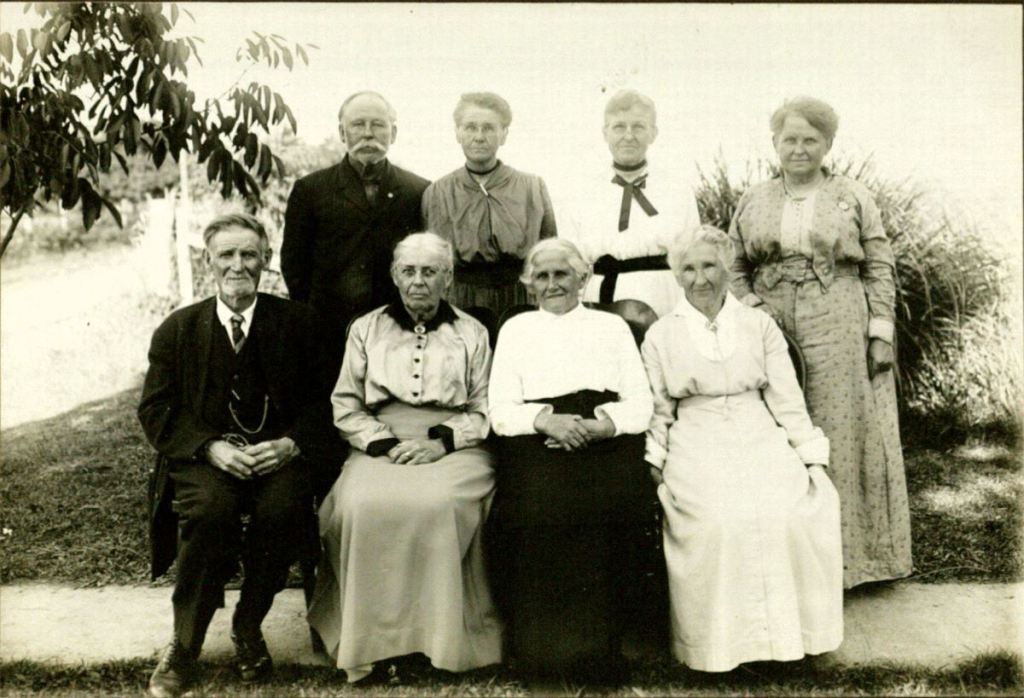
Bottom Row: (Left to Right) Isaac Stevens, Rebecca (Stevens) Mount, Rispa (Stevens) Ringo, Christina (Stevens) Esson
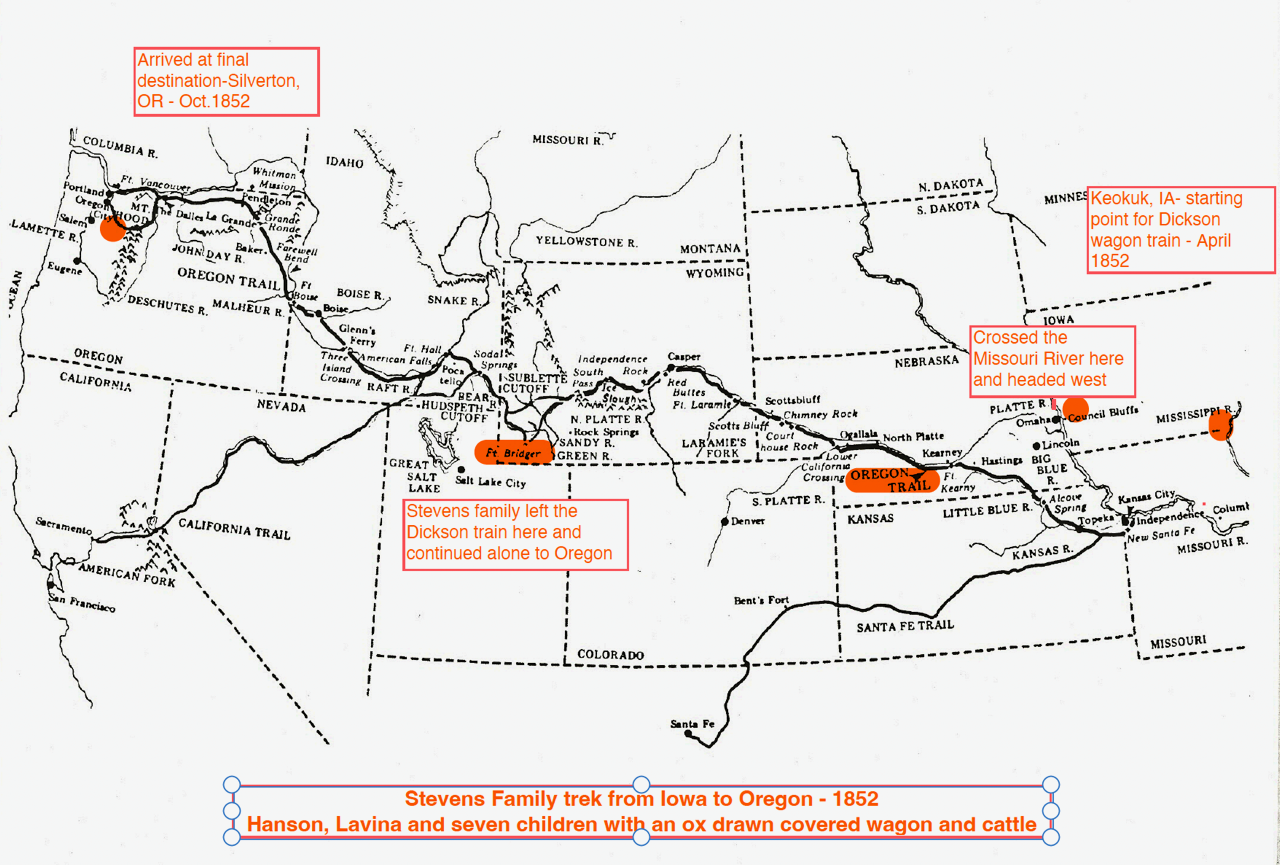
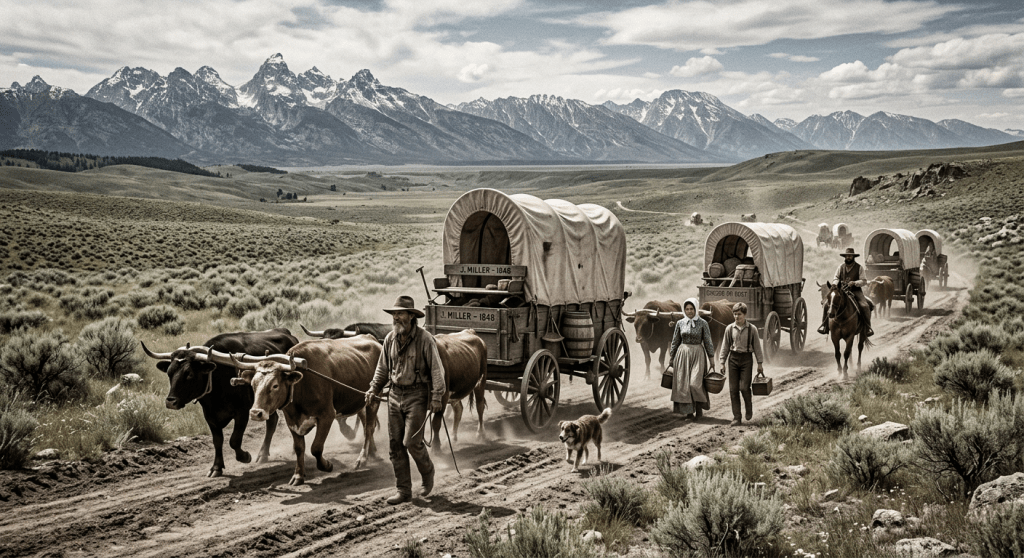
Hanson Stevens was a man who under his father’s wing learned the valuable skills he would need to establish himself as a farmer, and to survive and raise a family in a time when America was being shaped with new growth from the Ohio River valley to the Pacific Northwest. He and his first wife Lavina were well established with seven children in Keokuk, Iowa when the call to obtain free fertile land via an Oregon donation land claim was promoted by the government. Following Hanson’s father’s entrepreneurial lead, Hanson and his family traveled on the Oregon Trail in 1852 to settle by the Pudding River near Silverton, Oregon.
In a test of resilience, Hanson had to carry on after losing Lavina to cancer and was left with nine children. He survived this tragedy and eventually found a new wife, Elizabeth Bentley. By late 1860s, Hanson and Elizabeth had three children and managed a farm in Thurston County, Washington. Hanson continued to farm into the 1870s.
The Stevens family’s pioneer tenacity and spirit carry forward to their descendants, who are proud of their ancestors’ strength and legacy.
Details of their preparations and journey and history of the family and their descendants are contained in the Stevens Family History: Hanson and Lavina Stevens (2006). The hardbound book can be found at the Genealogical Forum of Oregon and the Oregon Historical Society.
The Stevens family contributed to the growth of the territory and State of Oregon, and their descendants are proud to carry the torch into the future.
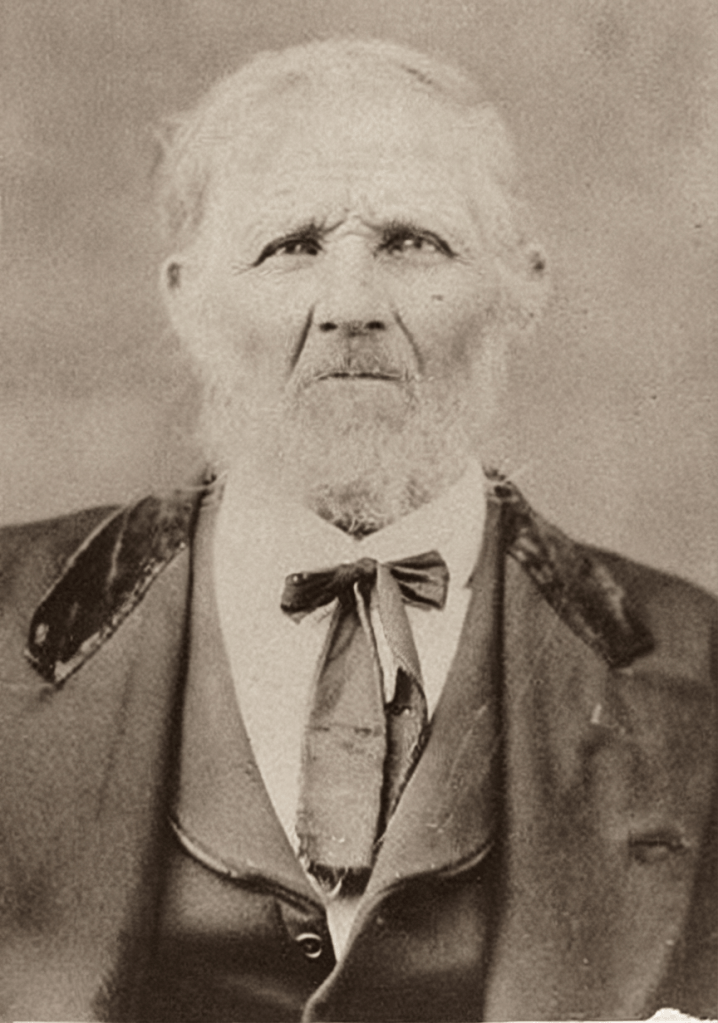
Hanson Stevens and his family history represent a powerful illustration of determination, resilience, and pioneering spirit that shaped early American history. From their roots in the Ohio River Valley to their journey on the Oregon Trail, the Stevens family’s pioneer experiences mirror the challenges and opportunities many settlers faced in the 1800s.
. . . read more: The Story of Hanson Stevens: Pioneer and Family Legacy
Stevens Family Reunion
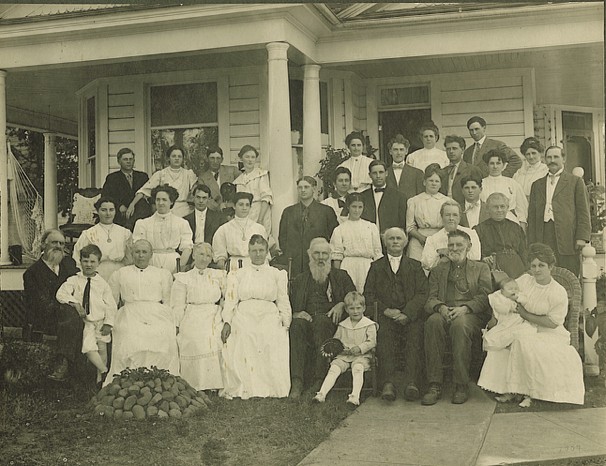
Annual family reunions that began in 1891 continue to this day. See the Annual Stevens Family Reunion page for reunion information.
Pictured: 12th reunion, 1903
Preserving Oregon’s Pioneer Heritage: The Story of the Stevens Family Heritage Roses